Raise pH to 7.2 to 7.8 after checking alkalinity
To raise hot tub pH below 7.2, check alkalinity first, then use a spa pH increaser according to its label or aerate if alkalinity is already adequate. Aim for pH between 7.2 and 7.8, following any narrower range in your spa manual.
Water that stings your eyes or feels uncomfortable needs testing before treatment. Those symptoms can also come from sanitizer problems. Clear water can still have low pH, so appearance cannot tell you which chemical to add.
Start with two readings: pH and total alkalinity. pH measures how acidic or basic the water is. Alkalinity measures its ability to resist sudden pH changes. A common spa alkalinity target is 80 to 120 parts per million, or ppm, although your equipment and sanitizer instructions may specify otherwise.
We recommend choosing the treatment from both readings:
| Your test results | What to do next |
|---|---|
| Low pH and alkalinity below the recommended range | Raise alkalinity with a spa alkalinity increaser, then retest pH. |
| Low pH and alkalinity within range | Try aeration. If pH remains low, use a measured dose of spa pH increaser. |
| Low pH and alkalinity above range | Try aeration first. Avoid adding more alkalinity blindly. |
| pH already within the recommended range | Do not add pH increaser simply to reach the top of the range. |
Keep the tub out of use while correcting low pH. Acidic water can irritate skin and eyes and contribute to corrosion of metal equipment.
Use baking soda for low alkalinity and soda ash for low pH
Choose your product using the alkalinity target in your spa instructions, commonly 80 to 120 ppm. Baking soda and soda ash both affect water balance, but they do different jobs.
Baking soda is sodium bicarbonate, the ingredient in many alkalinity increasers. It primarily raises alkalinity and usually raises pH only modestly. It makes sense when the water has little resistance to pH changes. Once alkalinity reaches its recommended range, stop adding it and check whether pH still needs help.
Soda ash is sodium carbonate, a common ingredient in pH increasers. It raises pH more strongly and also raises alkalinity. Check the active ingredient because products with similar names may have different formulas and dosing instructions.
If alkalinity is already high, repeatedly adding either product can leave you with another adjustment to make. Start with air through the jets instead. Do not add acid solely to lower alkalinity while pH is already below range. If high alkalinity remains a separate problem after pH recovers, use our guide to lowering hot tub alkalinity to plan that correction.
Use a product labeled for spa water and follow its directions. Household washing products may contain additives that do not belong in a hot tub. Do not substitute a laundry product based only on a similar ingredient name.
Try air through the jets when alkalinity is already adequate
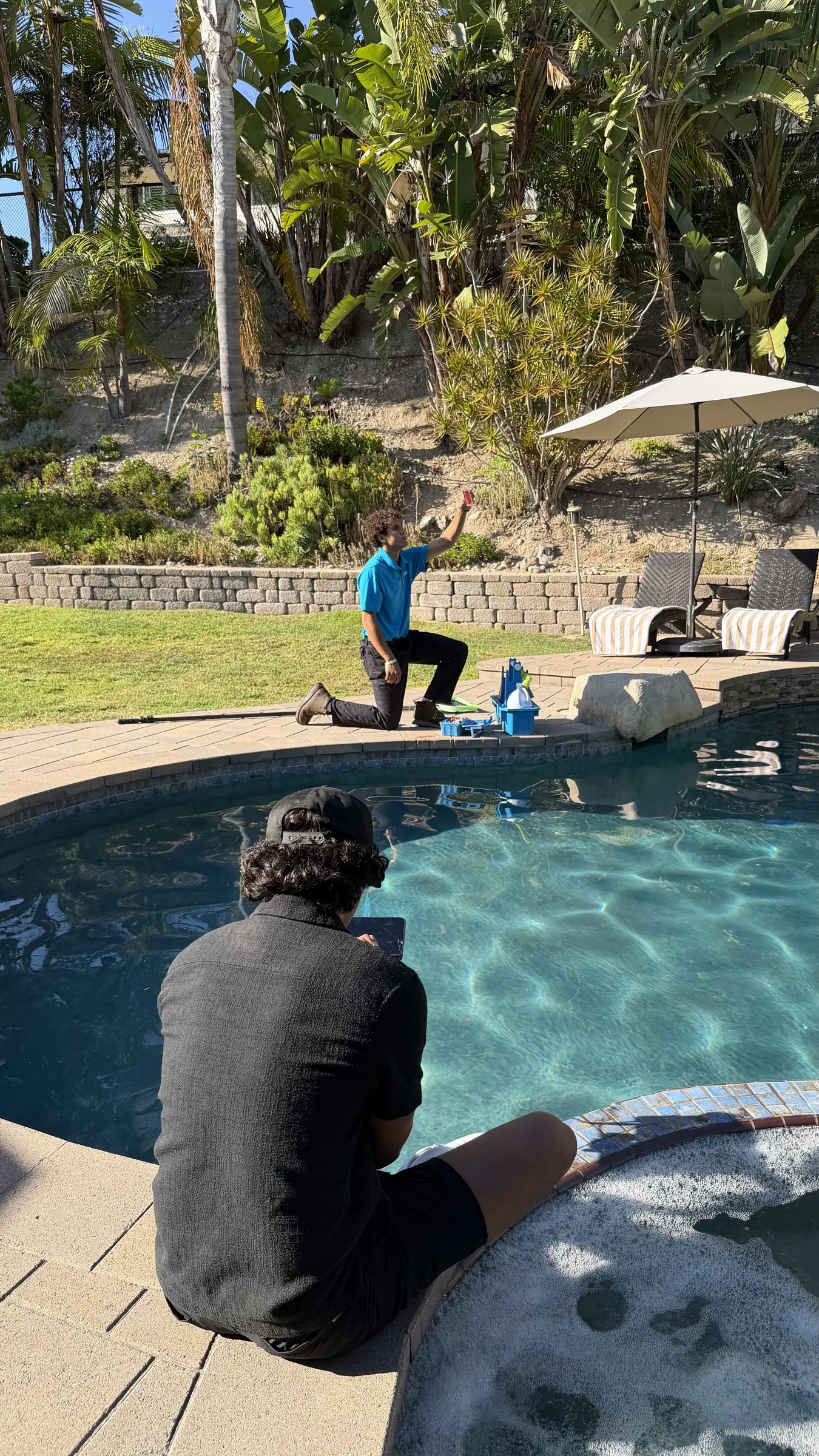
If alkalinity is adequate, run the jets with the air controls open for 15 to 30 minutes, then retest pH. Aeration means mixing air into the water. It lets dissolved carbon dioxide escape, which can raise pH without raising total alkalinity.
Open the cover and follow the spa's operating instructions. A circulation pump moving water quietly may provide much less aeration than jets drawing in air. Keep the water at the proper operating level.
After the first interval, stop the air and take another reading as your test kit directs. The response depends on the starting chemistry and how much air the jets introduce. That interval is a checkpoint, not a promise that pH will be corrected.
If pH is rising toward the recommended range, continue in measured intervals. Stop when it reaches the target. If there is little change, confirm the reading before moving to a labeled pH increaser.
Record both pH and alkalinity before and after the trial. A pH increase with little change in alkalinity is the expected response to aeration. If alkalinity also changes substantially without a chemical addition or top-up, repeat the tests before choosing another treatment.
Do not run aeration unattended for hours. It can carry pH above your target, especially when alkalinity is high.
Measure one dose and retest before adding more
Add one measured dose, let it circulate, and retest before adding more. A small hot tub gives you less room for a dosing mistake than a swimming pool.
- Confirm the water volume. Find the operating capacity in the manual or equipment documentation. Seat count is not an accurate substitute for gallons.
- Check the reading. Use fresh strips or a suitable drop test. Collect the sample below the surface, away from return jets and chemical dispensers, following the kit's instructions. Read colors in neutral daylight. If a strip falls between colors that would lead to different treatments, confirm with a suitable drop test. Very high sanitizer levels can interfere with some pH tests, so check the kit's limits after shocking.
- Calculate from the product label. Use your water volume and current reading. If a label gives a dose for 500 gallons and your tub holds 250 gallons, use half that listed dose for the same stated adjustment.
- Add the product as directed. Keep bathers out, wear the protection specified on the label, and use a clean measuring tool. Add only one chemical at a time. Never mix chemicals together in a container. Predissolve only when instructed, adding chemical to water.
- Circulate for the specified time. Follow the product's mixing and retesting instructions. There is no single waiting period that fits every formulation and spa. Water beside a recent chemical addition does not represent the whole tub. If flow is weak or the spa displays a flow error, resolve that before continuing chemical additions.
- Retest pH and alkalinity. Add more only if the new readings call for it. Observe the label's maximum dose and any required interval between additions.
A teaspoon-per-tub rule skips two essential details: actual gallons and starting alkalinity. Even two tubs with the same volume and pH can need different doses because their alkalinity differs. If the test is below its readable scale, get a reliable reading before trying repeated doses.
Check the fill water if pH keeps falling
If pH keeps dropping, test a sample from the tub and one from its fill source, especially if the problem began after adding water. Test pH, alkalinity, and calcium hardness, which measures dissolved calcium. Hardness and alkalinity are separate readings; one cannot stand in for the other.
San Diego, Los Angeles, and Orange County generally receive harder, mineral-heavy tap water. Check calcium hardness before repeatedly adding soda ash. When calcium is already high, overshooting pH can encourage scale or cloudy water.
Sacramento-area and East Bay source water is generally softer. After adding fresh water, check calcium hardness separately rather than assuming a corrected pH means every balance reading is right. Low calcium needs its own equipment-specific decision; pH increaser does not replace calcium.
Compare the readings with what changed between tests:
- The drop followed a refill or substantial top-up: compare fill-water alkalinity with the tub's target. Low alkalinity in replacement water can explain why the tub needs an alkalinity correction.
- The drop followed a chemical addition: record the product, amount, date, and readings. Acid additions and some sanitizer or nonchlorine shock products can lower pH. Check the formulation instead of assuming all shock products affect pH alike.
- The drop repeats despite in-range alkalinity: confirm the result with fresh testing supplies, then have the treatment routine and any automatic dosing equipment checked.
Do not use shock as a pH treatment or stop necessary sanitation to avoid a pH adjustment. Use each product for its labeled purpose. Keep a log of pH, alkalinity, sanitizer, water additions, and chemical doses so the next correction addresses what changed.
Before using the tub, confirm that pH and sanitizer are within their recommended ranges and that the treatment's waiting period has passed. If verified readings repeatedly swing, will not respond, or accompany equipment problems, arrange hot tub cleaning and water balancing service. Have your water log, spa volume, and product labels ready. Our technicians can check the water and treatment routine, then confirm equipment-specific next steps after seeing the system.