Compare heating times for 120V and 240V hot tubs
A covered electric hot tub commonly takes about 7 to 14 hours to heat from 60°F to 100°F with a 240V system. A lower-powered 120V plug-in tub may need 20 to 40 hours for that same temperature increase.
These are planning ranges for portable electric tubs, with the heater operating and the cover closed. Water volume, heater wattage, outdoor temperature, and insulation determine your actual result. A small temperature increase takes much less time than heating a cold refill.
| Hot tub setup | Approximate heating rate | Time from 60°F to 100°F | Best scheduling approach |
|---|---|---|---|
| 240V electric tub | 3°F to 6°F per hour | About 7 to 14 hours | Start early for evening use; allow overnight after a cold refill |
| 120V plug-in tub | 1°F to 2°F per hour | About 20 to 40 hours | Allow one to two days after a cold refill |
Check the equipment label or manual before choosing a row. Supply voltage alone does not establish heater output. Some tubs have different heating capacities or operating restrictions depending on their configuration. For an in-ground spa attached to a pool, use the separate heating check below.
240V tubs suit a same-day temperature increase
A 240V tub is usually easier to schedule for an evening soak when the water is already warm. At a measured rate of 4°F per hour, raising water from 92°F to 100°F takes about two hours. Starting at 60°F takes about ten hours at that same rate.
Those examples explain why another owner's warmup time may be misleading. Ask about their starting temperature, water volume, and heater wattage before comparing equipment.
For perspective, a 5.5 kW heater warming 400 gallons has an ideal heating rate of roughly 5.6°F per hour. Actual heating is slower because the tub loses heat to its surroundings. A larger tub with the same heater also warms more slowly.
Coastal Southern California's marine layer can keep mornings cool even when the afternoon forecast looks comfortable. Use the water temperature you measure that morning to set your start time. On cool Sacramento winter nights, allow more time than your summer experience suggests.
If you use the tub frequently, a modest temperature setback leaves less water heating to finish before your next soak. If you use it infrequently, compare your schedule with the tub's available economy settings. Those settings may restrict when heating happens, so confirm them before relying on a same-day estimate.
120V tubs need more advance planning after a refill
A plug-in tub often has a heater around 1 to 1.5 kW. That smaller output explains why a cold refill can take well beyond one afternoon to warm. At 1.5°F per hour, a 40°F increase takes about 27 hours.
Choose your refill timing around that longer wait. If you want to use the tub Saturday evening, beginning the heating process Saturday morning may be too late. Measure its heating rate beforehand so you can plan a suitable start time.
Many 120V tubs cannot run the heater and high-speed massage pump simultaneously. Turning on strong jets can therefore interrupt heating, even though the moving water feels like it should warm faster. Check the manual and heater indicator to confirm how your model behaves.
Use the circulation or heating mode specified by the manufacturer. Leave air injection and blowers off during warmup. Adding air increases heat loss and does not increase heater output.
A low-output heater also has less capacity left over after replacing heat lost outdoors. On a cold or windy evening, the temperature may climb very slowly near the target. If your tub routinely struggles under those conditions, our technicians can check its heating operation, cover condition, and configured settings before recommending equipment service.
Calculate your own heating time with a two-hour check
Your electric tub's measured heating rate gives a more useful schedule than a general estimate. We recommend checking it during an uninterrupted heating period:
- Record the starting water temperature and time.
- Confirm the tub is calling for heat and operating in its normal heating mode.
- Close the cover and leave air controls off.
- Check the temperature again after two hours.
- Divide the temperature increase by two to find degrees gained per hour.
Estimated hours remaining = degrees still needed ÷ degrees gained per hour.
If the water rises from 80°F to 86°F in two hours, its measured rate is 3°F per hour. Reaching 100°F from 86°F would then take roughly another five hours.
Treat that result as an estimate, especially if the air will cool substantially before the tub is ready. Heating can slow as water temperature rises and heat loss increases. Repeat the check in a different season if your schedule depends on a reliable finish time.
Raising the setpoint above your intended bathing temperature does not make a standard electric resistance heater warm faster. It simply tells the heater to keep running longer.
Time an attached in-ground spa with a shorter heating check
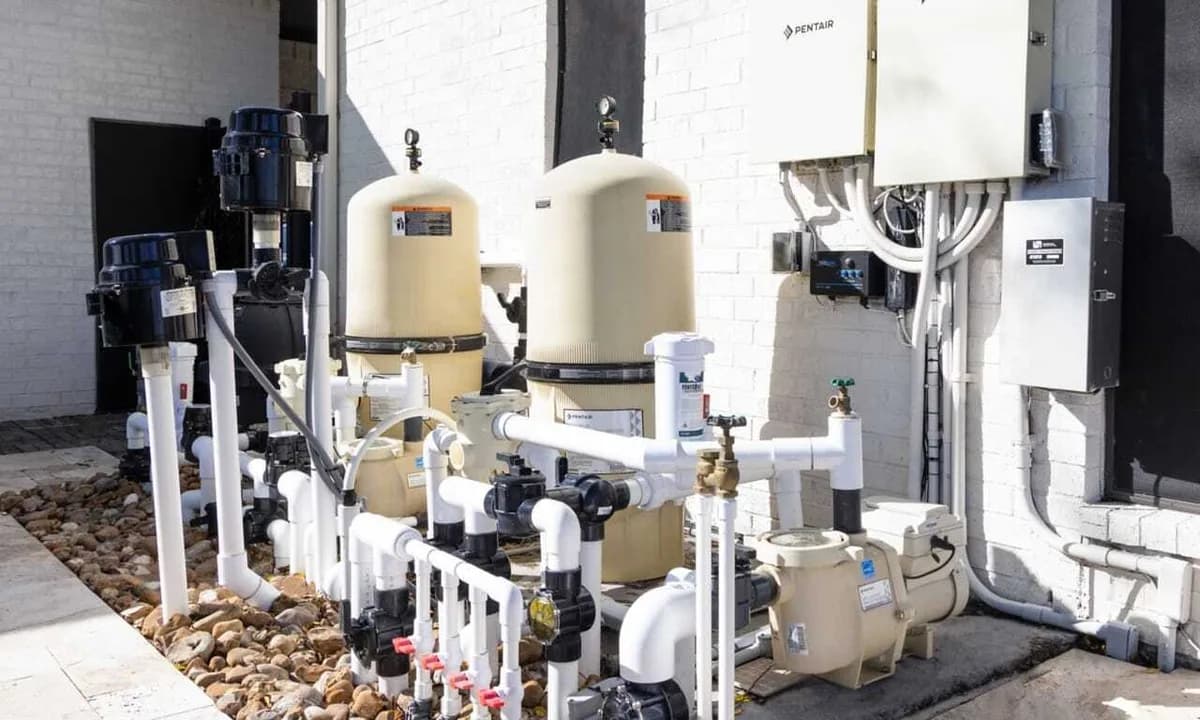
An in-ground spa attached to a pool needs its own estimate. A gas pool heater can warm an isolated spa much faster than a portable electric tub. A heat pump's warmup depends strongly on outdoor air temperature, particularly during cool coastal mornings or Sacramento winters.
Compare heater output in BTU per hour with spa volume: greater output heats the same volume faster. More gallons take longer at the same output. A gas heater's input rating includes energy lost during heating, so it is not the heat delivered to water. A heat pump's rated output also depends on its test conditions.
Select spa mode using the equipment's operating instructions. The suction and return valves must route water from the spa through the heater and back to the spa. If the spa keeps spilling into the pool, heat leaves with that water and cooler pool water can enter the circuit. The heater is then warming more than the spa alone. Have our technicians confirm unfamiliar valve positions rather than guessing.
Once heating is active and water is circulating in spa mode, record temperatures 15 minutes apart. Multiply the rise by four to get degrees per hour, then apply the same remaining-time formula above. For example, a 5°F rise in 15 minutes equals 20°F per hour. Another 10°F would take about 30 minutes at that measured rate. For a slower heat pump, extend the check to 30 minutes and multiply the rise by two.
Unexpected spillover points first to routing or valve operation. With correct routing and adequate flow, repeated heater shutdowns or heating well below its previous rate under similar conditions warrant a pool and spa heater inspection. Cool-weather heat pump slowdown alone does not establish a heater fault.
Keep heat in and mineral buildup under control
Close the cover fully during warmup and secure its straps. Check for a folded edge, poor fit, or damaged section that allows warm, moist air to escape. A saturated or poorly sealing cover can make the same functioning heater take longer.
During Santa Ana winds, keeping the cover secured helps limit both heat loss and incoming dust. Inspect the filter afterward if debris entered the water. Restricted flow can prevent the heater from operating normally.
Water balance also matters to heating equipment. Southern California's hard, mineral-heavy supply makes calcium scale a concern, particularly when pH stays high. Scale on heating surfaces can impair heat transfer and contribute to equipment problems.
Sacramento and East Bay source water is generally softer. Do not automatically copy a Southern California treatment routine. Test calcium hardness and follow the equipment manufacturer's water-balance targets. Our technicians check the actual water and equipment before choosing a correction.
For filter care and ongoing water maintenance, see our hot tub cleaning and maintenance service. A slower warmup alone does not mean the tub needs draining.
Check these items when the temperature stops rising
If your electric tub shows no increase during a two-hour heating check, first confirm the target temperature exceeds the current temperature. Then check for an economy schedule, a heating delay, or an error message.
- Flow warning: Check the water level and inspect the filter according to the manual. Never bypass a flow switch.
- Recently refilled tub: Weak circulation or a pump that runs without moving water may indicate trapped air. Follow the manufacturer's priming procedure.
- Heater indicator off: Confirm the selected mode permits heating at that time.
- Repeated breaker trips: Stop resetting the breaker and arrange an equipment inspection.
If heating remains much slower than your previous measured rate under similar conditions, record the temperatures, elapsed time, and any displayed code. Contact our team for an equipment check. We confirm the appropriate repair after seeing the heater, circulation system, and controls.