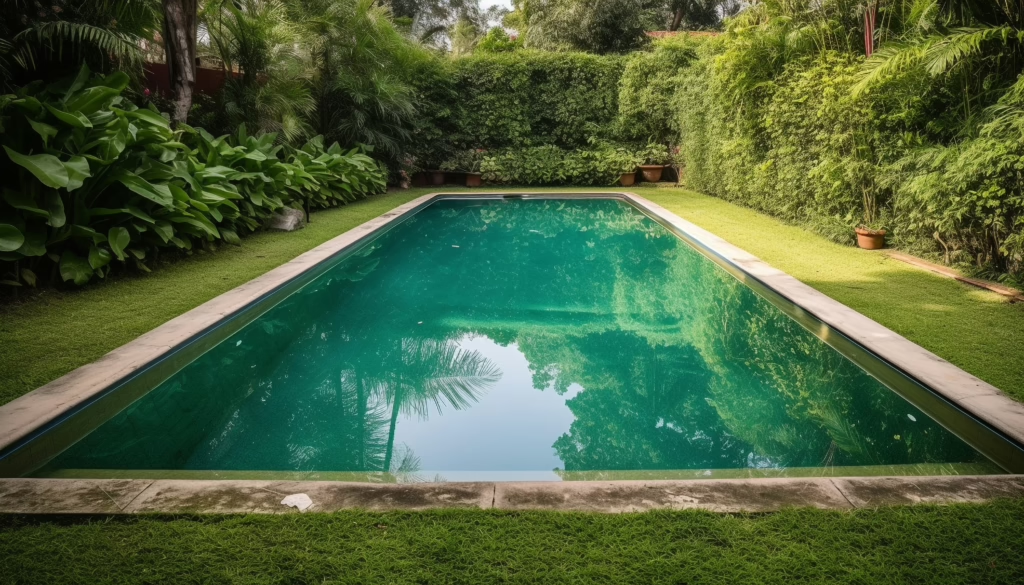
Faulty filters, chemical imbalances, and contamination from swimmers or debris are frequent causes of cloudy pool water. Luckily, you can usually clear clouds from your pool in 24-48 hours. Replacing filters, adjusting chemicals, and flushing contaminants can quickly clear up clouds.
In this article, we’ll dive into what can cause cloudy pool water, how to clear cloudy pool water fast, how to prevent clouding, and when it’s time to call in a pro.
Why Is My Pool Cloudy?
If you’re wondering why your pool water is cloudy, it usually means something is off with your 3 Cs: Circulation, Chemistry, or Cleanliness. Plus, each pool has its own set of environmental factors that can affect the 3 Cs, including weather, frequency of use, or exposure to dust.
Here’s a breakdown of why your pool might be cloudy, starting with the 3 Cs, and taking a look at how the environment plays a role.
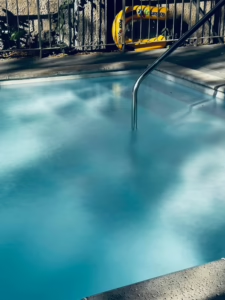
Dirty and Cloudy Water in Your Pool
Photo Credit: Craig Manners | Unsplash
1. Circulation or Filtration Problems
If your filter isn’t running long enough, is dirty, or is faulty, particles like dust and pollen can stay suspended in your pool water without getting filtered out, leading to cloudiness.
Your filter can be responsible for a cloudy pool if it isn’t running for 8-12 hours a day, hasn’t been backwashed in a while, or has a fault such as a crack or poor seal.
2. Chemical Imbalances
Low chlorine, improper pH, or imbalanced alkalinity can make your pool water unsanitary. According to the CDC, poorly balanced chemicals can allow bacteria, algae, and organic debris to build up and cloud your water.
3. Cleanliness Issues
Contaminants from swimmers, such as sweat, body oils, and sunscreen, can cloud your pool water. When usage spikes during summer or holidays, water clarity may worsen due to a higher volume of swimmers’ contaminants.
Chlorine can partially deal with these organic contaminants, including compounds in sunscreen, sweat, and body oils, but it cannot fully remove the oily residue. Without other steps like proper filtration and regular cleaning, these residues stay in the water, leading to ongoing cloudiness.
4. Environmental Factors
Aside from swimmers, each pool has environmental factors that can affect pool clarity. For example, in coastal areas in Southern California, pollen, ash, and even salt can get into your pool. On the other hand, in dusty regions like West Texas, fine dust particles are the main concern.
How you clear cloudy pool water should address the environmental factors in your region, because what works in San Diego may not work in Austin. Also, if your pool is outdoors, it is typically more exposed to environmental factors that can be responsible for cloudiness.

Comparing an outdoor and indoor pool with clear water
Photo Credit: Mariakray | Pixabay and Antonio Araujo | Unsplash
Whether it’s your pool filter, your chemicals, or just heavy usage, cloudy pool water is always a sign that something may be wrong with your pool. This can be a hassle that impacts the days you’d like to use your pool the most, like a cooling off on a hot summer day.
To keep your water sparkling on high-use days in hot regions like Southern California, you might want to read our Essential Pool Filter Cleaning Tips for High-Use Periods.
How To Clear Cloudy Pool Water
Cloudy water ruins both the look and the overall enjoyability of your pool. Luckily, it’s a quick fix with the right steps. Most of the time, it goes back to the 3 Cs: Circulation, Chemistry, and Cleanliness. Here are four actions that address the 3 Cs to clear your pool water fast:
1. Rinse and Run (or Replace) Your Filter
Most of the time, cloudy water comes from a faulty, clogged, or dirty filter. If you notice a fault in your filter, such as a hole or other damage, the best move is to swap it out for a replacement. Otherwise, check if your filter needs a quick rinse or backwash to clear out any gunk.
Once your filter is clean (or brand new), run the pump for 12-48 hours until the water clears. This covers issues related to one of the 3 Cs: Circulation. After that, you can get back to running it for 8-12 hours daily for regular use.

Running pool pump helps fix cloudy pool water
Photo Credit: Santi Wiwatchaikul | Getty image via Canva
2. Brush and Vacuum Your Pool
Even with a perfect filter, exposure to dust, debris, or heavy use can cause contaminants to build up and cloud your pool. This is common in coastal areas like San Diego where pollen and ash often land in the water. The best solution for these build-ups is a good brush and vacuum.
Contamination can build up on the deck, steps, walls, and floor of your pool, so be sure to use your brush and vacuum on surfaces both in and around the water. This usually takes care of clouding issues related to another one of 3 Cs: Cleanliness.
3. Test and Balance Your Water
With your filter working fine and your surfaces sparkling clean, it’s time to check your chemical levels. Use a test kit or strip to keep an eye on everything, including the chlorine, pH, and alkalinity levels. Check if your readings fall within these Ideal Ranges, and balance if you need to:
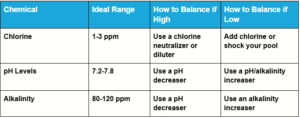
Chart showing ideal chemical levels and how to balance them
Regular testing and balancing will clear up clouds related to third of the 3 Cs: Chemistry.
4. Use a Clarifier of Flocculant (Optional)
If your water is still cloudy after addressing the 3 Cs, a pool clarifier can lend an extra hand. It’s gentle and works well with most systems, especially cartridge filters, which are often in SoCal pools. At Cabana Pools, we usually use clarifiers when water is mostly clear but slightly hazy.
A flocculant is a stronger option, and can be better for pools with sand or DE filters. However, using it means you’ll need to vacuum your pool’s bottom again. If you have the time and right setup, a flocculant could be ideal for clearing cloudy pool water. Otherwise, stick with a clarifier.

Crystal-clear pool after clearing cloudy pool water
Photo Credit: gbeaty | Pixabay
Clearing cloudy pool water is usually about addressing the 3 Cs and staying on top of them. For more tips on how to handle issues with Circulation, Chemistry, or Cleanliness, you might want to check out our guide, What You Need To Know About Professional Pool Cleaning.
Next, we’ll dive into how to prevent cloudy pool water from coming back.
How to Prevent Cloudy Pool Water
Once your water is clear, the goal is to keep it that way. A clean pool is more pleasant to swim in, and according to the CDC, it also helps prevent injury. With just a bit of weekly upkeep, you can stay ahead of cloudy water and enjoy a safer, crystal-clear pool.
1. Rinse or Backwash Your Filter
Your filter works hard to catch the dirt and debris that cause cloudy pool water, so remember to clean your filter regularly to make sure it keeps running smoothly. A weekly rinse is usually enough for cartridge filters, while sand and DE filters need regular backwashing too.
2. Test Your Water
Keeping your pool chemistry balanced helps prevent cloudy water and protects your swimmers’ health. Each week, check chlorine, pH, and alkalinity levels. Also check that calcium hardness is within 200–400 ppm. If any levels are off, adjust them right away to keep your water clear.
Here’s a quick guide to pH strips colors and how to tell the pH level of your pool water.
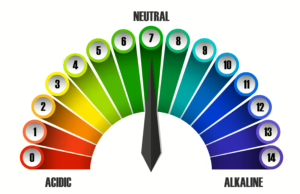
pH scale from acidic to alkaline for testing pool pH levels
Photo Credit: Matt Cole | Vecteezy
Heat can break down chlorine faster, so in warmer areas like Southern California, you may need to consider shocking or acid washing your pool more often to keep it clear and balanced.
3. Skim and Clean Your Surfaces
Even if your pool looks clear, don’t skip skimming the surface and brushing the walls. These simple steps prevent algae growth and keep debris from piling up. Grab a sponge to wipe down water lines or other build-up to keep your pool sparkling.
4. Brush and Vacuum Your Pool
Algae and dirt often collect on tiles, steps, and crevices at the bottom of your pool, so brushing and vacuuming these spots regularly helps keep them clean. If you’d prefer less manual effort, automated pool cleaners can handle much of the work for you.
Either way, consistent brushing and vacuuming is one of the best habits to maintain a squeaky-clean pool.
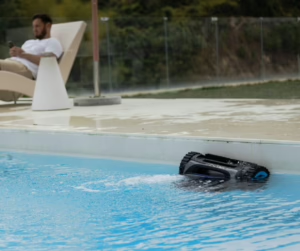
Robotic pool vacuum cleaner for clearing cloudy pool water efficiently
Photo Credit: Airper Pool Cleaner | Unsplash
While these preventative steps might sound tedious, regular upkeep is the best way to maintain crystal-clear water. To better navigate your cleaning routine, check out The Pool Cleaning Handbook: All The Tips You Need to Know.
However, if you need a more immediate or ongoing solution for clearing cloudy pool water, professional pool cleaning services are there to help.
Whether you care for your pool yourself or hire a professional, consistent maintenance is the best way to prevent your water from getting cloudy.
When to Call In a Professional
The steps to clear your cloudy pool water may sound overwhelming or unpleasant. However, bringing in a pro can save you time and effort. Here’s when it may be best to call in an expert:
1. When Nothing is Working
If you’ve checked the 3Cs: Circulation, Chemistry, and Cleanliness, addressed environmental factors, and used a clarifier or flocculant, but cloudiness still remains, you may have a more challenging issue with your equipment.
In this case, calling a technician for a diagnosis could save you the stress of troubleshooting. A professional will be able to tell you what to do to regain the clarity of your water.
2. When the Cloudiness Keeps Returning
If cloudy pool water keeps returning, a recurring issue may be flying under the radar. This could be hidden algae, faulty testing, or an inadequate cleaning solution. To clear cloudy pool water for good, consider calling a professional.
3. When You Want a Fresh Start
Sometimes the best solution is a deep clean, especially if your pool has been unused or you’re moving into a new home. A professional can guide you through more intensive cleaning processes, making sure your pool equipment is thoroughly checked and ready for a fresh start.
If you find yourself in any of the above cases and are ready to call a professional Pool Care Service, Cabana Pools has you covered. To see the difference a professional can make, check out Why You Should Get Professional Pool Cleaning Services.
Frequently Asked Questions
1. Is it safe to swim in cloudy pool water?
It is not advisable to swim in cloudy water as it may be a sign of poor sanitation, low chlorine levels, or poor water circulation. According to the CDC, swimming in unsanitary water may pose a risk of diseases including E-coli.
2. Does shock clear a cloudy pool?
Yes, if the cloudiness is caused by contaminants or low chlorine levels, shocking your pool can bring back its clarity. Following up with brushing, filtering, and balancing chemicals will help your pool stay clear after a shock.
3. Will chlorine/chlorine tablets clear a cloudy pool?
Chlorine and chlorine tablets help maintain proper levels, but if your pool is cloudy, shocking it is often more effective. Cloudiness usually results from very low chlorine levels that regular dosing alone may not fix.
4. How much chlorine to shock a pool?
The amount of chlorine needed depends on your pool’s size and condition. As a rule of thumb, shock your pool with at least 1 pound of chlorine for every 10,000 gallons of water.
5. Does baking soda clear a cloudy pool?
No. Although you can use baking soda to raise alkalinity, it will not clear up your pool water.
6. Why is my pool still cloudy after adding a clarifier?
If your pool stays cloudy after using a clarifier, it may not be strong enough to solve on its own. Your filter may be dirty or your chemical balances may be off. So, it’s best to give the clarifier time to work while still keeping up with regular maintenance.
7. How long does it take for chlorine to clear a pool?
Most pools clear up within 24-48 hours of shocking, assuming that circulation is continuous. To speed up the process, it’s best to keep your pump running.
Final Thoughts
Cloudy pool water doesn’t have to ruin your summer plans. From the 3Cs and environmental factors to using an additional clarifier or flocculant, we’ve covered everything you need to know about how to clear a cloudy pool and get it back to perfect clarity.
However, if you’d like to skip the hassle and let the pros handle it, Cabana Pools has you covered. Our 5-minute setup process lets you connect with technicians and get your pool ready for use.
A clean pool is just a click away with Cabana Pools. Contact us today to book your pool cleaning appointment, and let us take care of everything while you kick back and enjoy the sunshine on your skin in your clear and clean pool.